
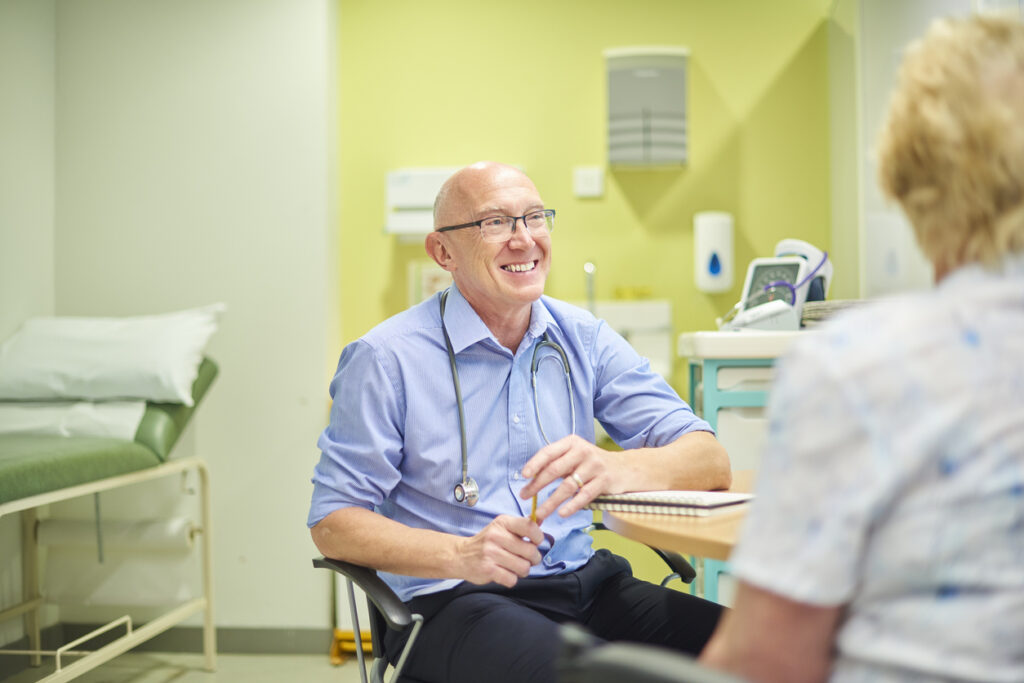
New NHS figures reveal that the proportion of patients seeing their GP face-to-face has surpassed pre-pandemic levels for the first time since COVID-19 transformed primary care delivery across the UK.
According to the latest data from NHS Digital, 68.1% of GP appointments in England were conducted in person during September, exceeding the 66.2% recorded in March 2020 when the first national lockdown began. The figures mark a significant milestone in the recovery of traditional patient care and reflect the continued efforts of general practice teams to meet growing demand.
In total, 19.3 million of the 28.3 million GP appointments delivered in September took place face-to-face, while 7.9 million appointments were conducted over the telephone. The proportion of telephone consultations fell to 27.9%, representing the lowest level since the start of the pandemic.
The shift back towards in-person consultations comes after months of gradual change. At the beginning of 2022, just 60.1% of appointments were delivered face-to-face, highlighting a steady increase throughout the year as practices adapted to changing patient needs and public expectations.
Dr Ursula Montgomery, NHS England’s Director of Primary Care, praised GP teams for their commitment to patient care. She highlighted that millions of patients continue to be seen by local clinicians while practices also support wider public health initiatives, including delivering more than 858,000 COVID-19 vaccinations during September as part of the autumn booster programme.
However, while the rise in face-to-face appointments is encouraging, the latest workforce figures reveal ongoing challenges within general practice.
Data from NHS Digital shows that the number of fully qualified permanent GPs in England has fallen by 6% over the past seven years. In September 2022, there were 26,867 permanent qualified GPs working across England, compared with 28,590 in September 2015. The figures also represent a decline from September 2021, marking the fourth consecutive month of year-on-year reductions.
Alongside falling GP numbers, fewer doctors are working full-time. Only 23% of qualified permanent GPs worked at least 37.5 hours per week in September 2022, compared with 33% in September 2015. Meanwhile, almost seven in ten GPs now work between 15 and 37.5 hours per week.
The workforce is also undergoing a demographic shift. The proportion of GPs aged 60 and over has increased from 7.8% to 10% since 2015, while the number of doctors under the age of 30 has halved. Although there has been growth in the proportion of GPs in their 40s, concerns remain about succession planning and long-term workforce sustainability.
Ruth Rankine, Director of Primary Care at the NHS Confederation, described the level of activity being delivered by general practice as a “phenomenal achievement”. She noted that GP services are providing more than 10% more appointments than before the pandemic despite having fewer doctors available.
The figures highlight both the resilience and the challenges facing primary care. While patients are increasingly benefiting from face-to-face access once again, ongoing workforce shortages continue to place significant pressure on GP services. As demand grows and the NHS looks towards the future, many healthcare leaders are calling for a fully funded workforce strategy to recruit, train and retain the professionals needed to support general practice for years to come.