
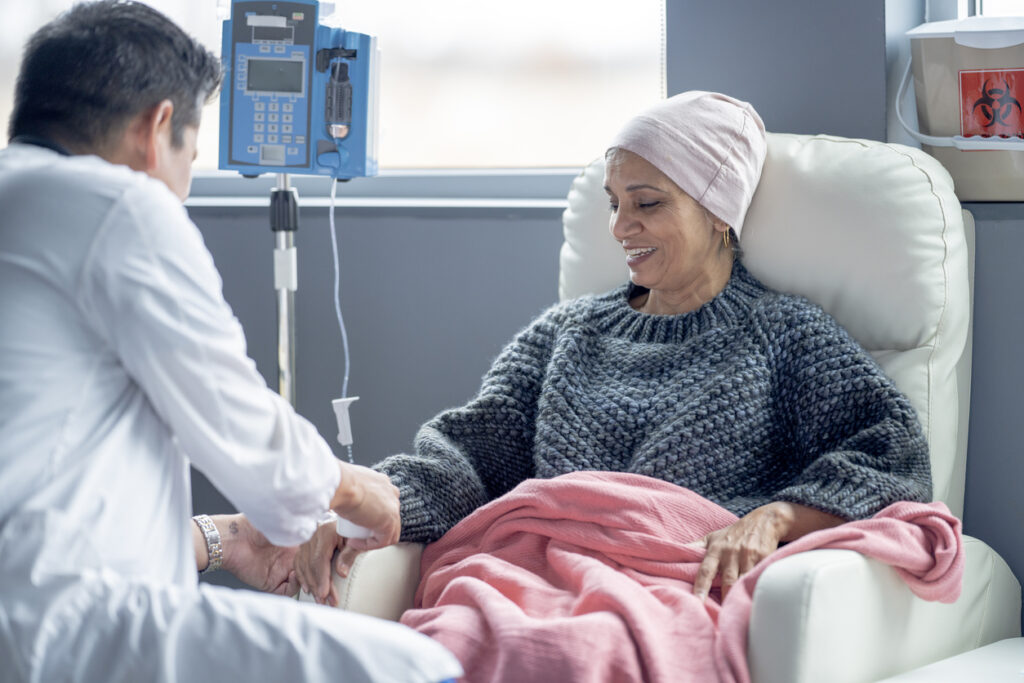
The UK government has published a new 10-year cancer strategy for England, pledging that by 2035 three quarters of cancer patients will survive for at least five years after diagnosis. Ministers describe the plan as the most ambitious effort this century to improve cancer outcomes and narrow the gap between the UK and other developed countries.
At present, around 60% of cancer patients in England survive for five years or more, according to 2022 figures. Survival rates for several major cancers, including lung, bowel and ovarian cancer, remain lower than in countries such as Australia, Canada and Norway.
A central aim of the strategy is to diagnose cancer earlier and start treatment more quickly. Currently, just over half of cancers are diagnosed at stages one or two, when treatment is most effective, and this proportion has improved little in recent years. To address this, the government plans to expand screening programmes, including lowering the threshold for further tests in bowel cancer screening and rolling out targeted lung cancer screening for ex-smokers.
The plan also commits to increasing NHS capacity. By 2029, the government aims to deliver 9.5 million additional tests and scans, significantly expand the use of precision robotic surgery, and treat more patients with rare cancers in specialist centres. Genetic testing will be widened so that more patients can benefit from targeted treatments, such as immunotherapy.
Alongside clinical improvements, the strategy places greater emphasis on patient support. Every cancer patient would receive a personalised support plan covering treatment, mental health and employment, as well as a named local care lead to provide ongoing help after treatment. Health Secretary Wes Streeting, who has survived kidney cancer, said the NHS must treat the whole person, not just the tumour.
One of the most challenging commitments is the pledge to meet the 62-day referral-to-treatment target by 2029. This target has not been met nationally for more than a decade. Currently, around 70% of patients start treatment within this timeframe, compared with a target of 85%, with wide variation between regions.
Experts have warned that staffing shortages could threaten delivery. Surveys show a 30% shortfall in radiologists and a 15% gap in clinical oncologists, prompting concerns that faster diagnosis and treatment will be difficult without sustained investment in specialist staff.
The strategy also highlights cancer prevention, noting that around four in ten cases could be avoided through lifestyle changes. Measures include additional support to help people quit smoking, increased access to weight-loss drugs and stricter enforcement of the ban on under-18s using sunbeds. However, some charities argue the plan does not go far enough on prevention, particularly in relation to alcohol, diet and environmental risks.
While cancer organisations have welcomed the ambition of the strategy, many stress that its success will depend on long-term funding, workforce expansion and effective implementation.