
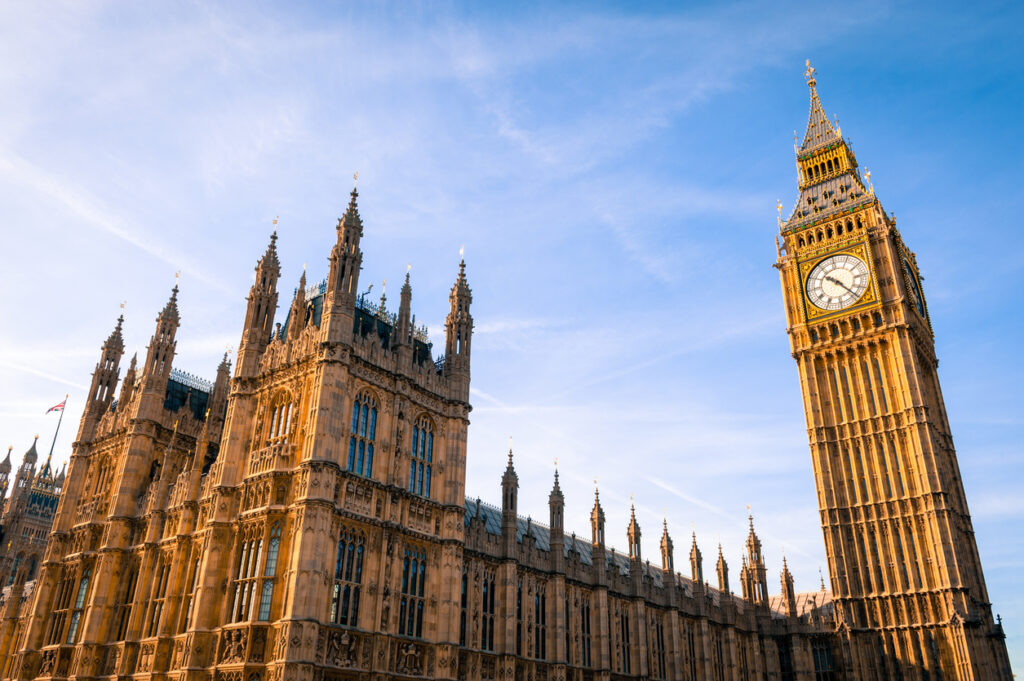
The appointment of Andy Burnham as prime minister and Yvette Cooper as health and social care secretary marks a significant change in leadership at Westminster. Alongside changes within the Department of Health and Social Care and new leadership at the BMA’s England GP committee, many in general practice are hoping this represents more than just a reshuffle – it could be an opportunity to reset relationships and tackle some of the profession’s most pressing challenges.
When Labour entered government in 2024, improving access to general practice and ending the much-publicised “8am scramble” for appointments were central pledges. Two years on, however, the landscape has become considerably more complex. Social care reform, maternity services, NHS restructuring, workforce planning and industrial disputes are all competing for ministerial attention, raising questions about where general practice sits on the government’s list of priorities.
While official figures suggest the GP workforce is growing and patient satisfaction is improving, these statistics tell only part of the story. Many practices continue to face severe financial pressures, with recruitment challenges persisting despite an increasing number of qualified GPs. Experienced doctors are reducing their hours or leaving the profession altogether, highlighting that retaining the existing workforce is just as important as attracting new recruits.
Funding remains the profession’s biggest concern. The BMA’s England GP committee has called for an additional £40 per patient each year, alongside meaningful contract reform, arguing that investment is essential if practices are to remain sustainable. Without greater financial support, concerns remain that increasing workloads and rising costs will continue to undermine the viability of general practice.
Neighbourhood working is also emerging as a key area of tension. While integrated care and closer collaboration across services have the potential to improve patient care, many GPs remain uncertain about how new neighbourhood models will operate in practice. The profession is seeking greater clarity before committing to arrangements that could significantly reshape the way practices deliver services.
Another issue waiting in the government’s in-tray is reform of the outdated Carr-Hill funding formula. The current system has long been criticised for failing to reflect levels of deprivation, leaving practices serving the most disadvantaged communities comparatively underfunded. Although ministers have previously committed to reviewing the formula, implementing any replacement will require careful planning and, crucially, additional investment to avoid destabilising practices that could otherwise lose funding.
Perhaps the biggest opportunity presented by the new leadership is not simply policy change, but a change in tone. Relations between ministers and the medical profession have become increasingly strained in recent years, with many GPs feeling their concerns have not been fully understood. Rebuilding trust will be essential if government reforms are to succeed.
Ultimately, general practice remains the foundation of the NHS. Investing in GP services enables patients to receive care earlier, closer to home, while reducing unnecessary pressure on hospitals and emergency services. As the new government establishes its priorities, GPs will be looking for evidence that ministers recognise both the value of primary care and the realities facing those delivering it every day. Whether this change in leadership delivers meaningful progress will depend not only on promises, but on sustained investment, genuine engagement and a clear commitment to placing general practice at the heart of NHS reform.
If you’d like, I can also make it more opinion-led, magazine-style, or SEO-friendly with subheadings and keywords.